



Workplace Harassment: Is Your Business Ready for the October 2026 Changes?
Understand the October 2026 employment law changes and the practical steps your business can take to prevent sexual and third-party harassment.

Employee Training

Harassment Prevention

Legal Changes

Third-Party Risks

Workplace Safety

HR Guidance
What Does “All Reasonable Steps” Mean for Your Business?
What Can Your Business Do to Prepare?
Review your workplace policies
Make sure your policy explains what sexual harassment is, what behaviour is unacceptable and how employees can report concerns.

Understand the risks
Think about where harassment could happen in your business, such as when staff work alone, travel for work, attend events or deal with customers.
Train your staff and managers
Help your team recognise sexual harassment and understand how to report it. Make sure managers know how to respond to concerns.
Make it easier to report concerns
Give employees clear ways to raise concerns, take reports seriously and respond appropriately when an issue is reported.
Review and record your actions
Review your approach regularly and keep records of actions taken, such as policy updates, risk assessments and staff training.






We Know These Changes Can Feel Daunting. We’re Here to Help.
Preparing for the October 2026 employment law changes can feel daunting, especially for smaller businesses. Tribal HR can help you understand your responsibilities and identify practical steps based on your workplace and its risks.
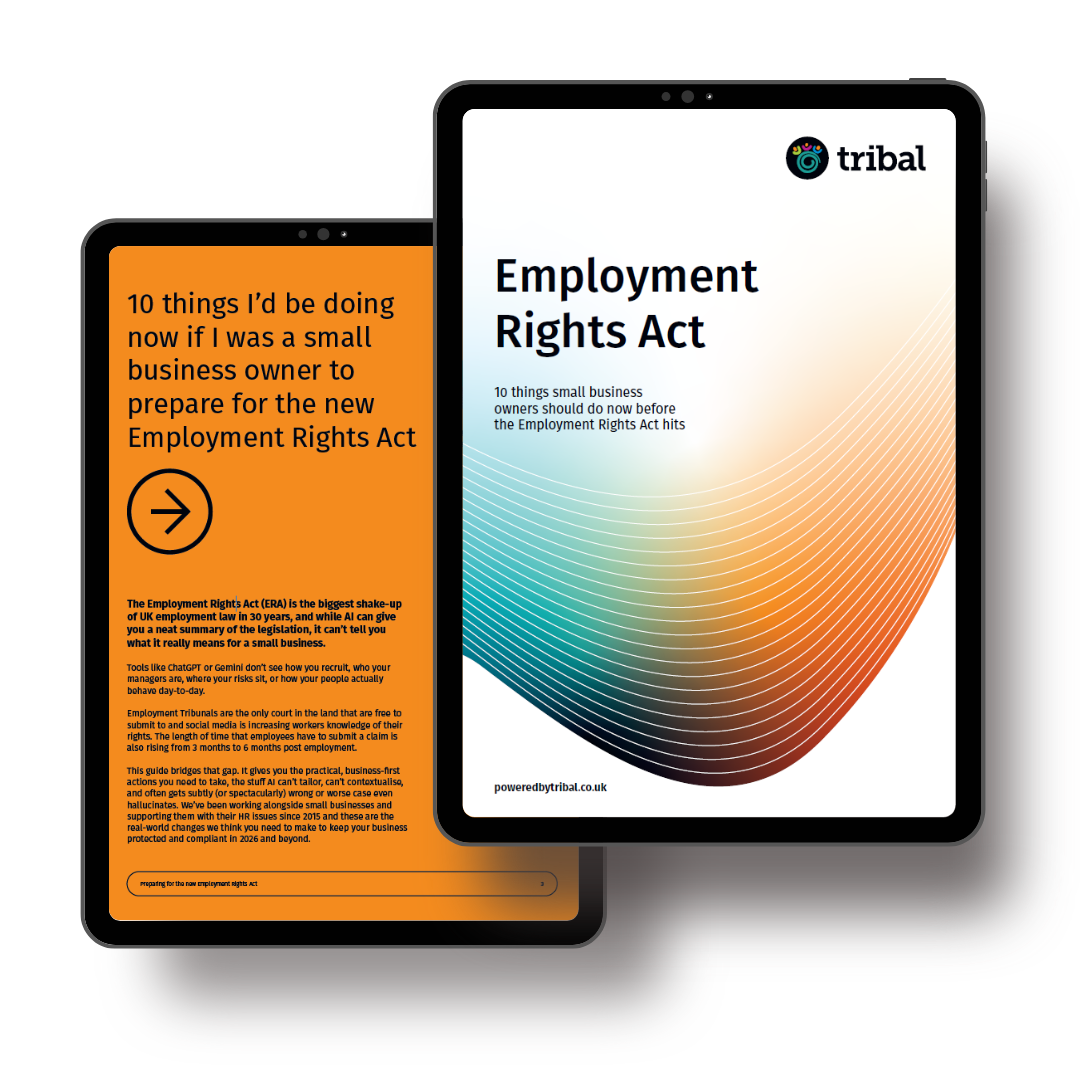
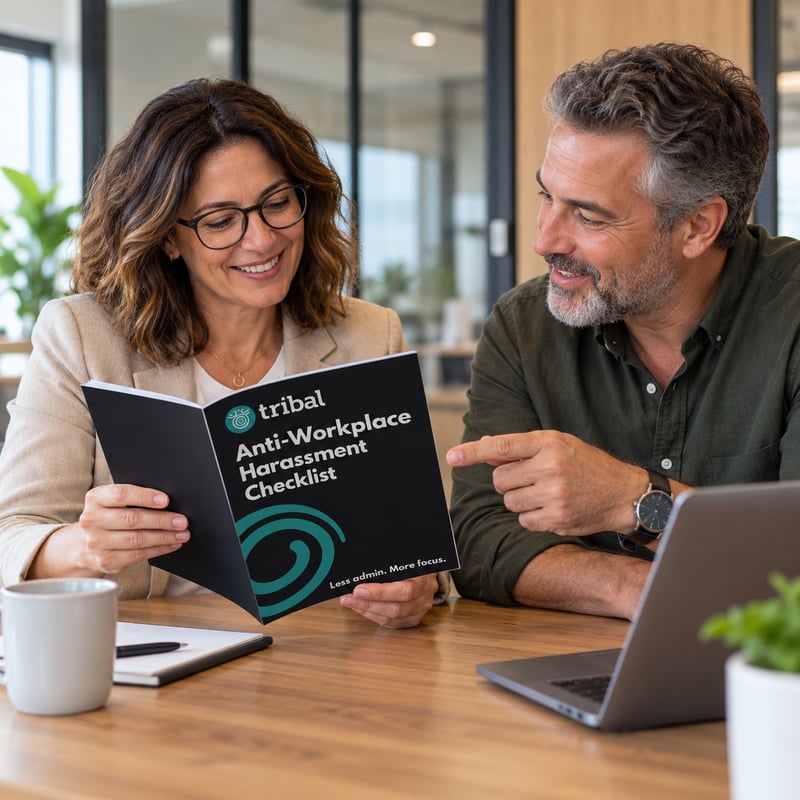
We’ve put together an easy-to-follow free Workplace Harassment Checklist to help you review your current approach and identify areas to address.
We recommend booking a call with Tribal HR to go through the checklist together, identify potential gaps and discuss the support your business may need.

Customers
People buying or using your products and services.

Clients
Businesses and individuals you work with.

Contractors
External contractors, tradespeople and consultants.

Service Users
People accessing your services, such as patients or students.

Event Attendees
People employees meet at conferences and work events.

Members of the public
Other people employees encounter through their work.
What’s the Difference?
Sexual Harassment Prevention

What it covers
Unwanted behaviour of a sexual nature.

What changes
Employers must take all reasonable steps to prevent sexual harassment.

What to review
Policies, risk assessments, staff training and reporting procedures.
Third-Party Harassment
What it covers
Harassment by people outside your business, including harassment related to protected characteristics.
What changes
Employers could be liable if a third party harasses an employee at work and they have not taken all reasonable steps to prevent it.
What to review
Risks involving customers, clients and others employees encounter through work.
Download Your Free Workplace Harassment Checklist
Complete the form to download your FREE checklist, then book a call with a Tribal HR expert to review your business needs and discuss your next steps.
By registering, you agree to our Privacy Policy and provide consent to receive updates.